Table of Content
All the basics are thoroughly covered, such as well water, septic and sewage disposal, and off-the-grid energy options . Factored in are contemporary concerns, including access to the internet and cell phone service and the importance of an effective security system. Chapter summaries drive home key points for success, and a list of resources directs readers to key information. Do you aspire to live a green or zero-waste life, but just don’t know where to begin? Green Livingis here to guide you to an eco-friendly lifestyle through approachable, easy-to-implement strategies.

Delivering unassisted is very risky, and I’d advise against it. The reality stars had been prepped for a quick birth as Heidi's doctor warned them that the baby would come quickly. Spencer Pratt almost had to help deliver his and wife Heidi Montag's second child in the car!
Sonya Eddy, ‘General Hospital’ Star, Dead at 55
Tips and helpful information on home delivery of babies. Get answers to common questions such as, who can be in the delivery room with you, the average length of delivery, and assisted birth methods. Our experts continually monitor the health and wellness space, and we update our articles when new information becomes available. If the placenta delivers on its own, Woodus says to place it in the plastic bag, ideally elevated above the baby or at least beside the baby, and wait for further assistance from your emergency responder.
As you push and strain, don't worry about accidentally urinating or defecating - this is extremely common and your birth attendant will expect it. Talk to your doctor - usually, you'll want lots of extra towels, sheets, pillows, and blankets, plus waterproof coverings for the bed and floor. Note that, for much of your labor, you will be able to move around for comfort. Up until quite recently in history, the vast majority of births occurred in the home. As of 2009, however, in the United States, only about 0.72% of all births were home births. You still have the placenta attached to the newborn by the umbilical cord.
Birth Center Birth Delivery Videos
She uses controlled breathing and delivers the baby herself under the watchful eye of her midwife. Follow your attendant's instructions for pushing. In the second stage of labor, your contractions will become more frequent and more intense.
Most services have an extensive menu of fresh, ready-to-eat meals that feature favorite foods and seasonal choices. Some companies use only organic ingredients that are free of preservatives, GMOs, additives, and added sugar. Meals for young babies usually include fruit and vegetable purees, while meals for older babies include more textured blends or finger foods. They often come in pouches or individual serving cups or containers, making it easy to serve them to your baby at home or on-the-go. While it is extremely rare that women don't make it to the hospital or birth center on time—most women spend seemingly endless hours laboring before the baby is ready to be born—it does happen.
How to Deliver a Baby in an Emergency
This stage of labor can last up to 2 hours for first-time birth givers, while in subsequent deliveries this stage can be far shorter . If you're not fully dilated, wait for your go-ahead.Don't be afraid to try different positions, like getting on all fours, kneeling, or squatting. Your doctor or midwife will usually want you to be in the position that is most comfortable and allows you to push most effectively. After the delivery of your baby, you will be asked to continue to push during the next few uterine contractions to deliver the placenta.

Parents can choose from age-appropriate smoothie pouches, dairy-free yogurt, overnight oats, applesauce, and fruit and veggie pouches. The pouches are cold-pressed with certified organic ingredients, so you'll need to store them in the refrigerator. With these products, your baby will feast on delicious combinations like Banana Berry Smoothy, Blueberry Overnight Oats, Wild Rumpus Avocado blend, and Magic Velvet Mango.
Be sure your caregiver carries the necessary equipment and supplies to start emergency treatment if needed, such as infant resuscitation equipment and oxygen, IVs, and medication to stem postpartum bleeding. It's also critical to make sure that they have an arrangement for backup with a qualified doctor and a nearby hospital in case you need to be transferred. At that visit, your home birth caregiver will do a detailed history and physical exam, as well as the usual set of lab tests. They'll continue to assess your situation throughout your pregnancy and during labor, birth, and the postpartum period.
Sheriff’s officials and deputies were called to the suburban Omaha home of Roberta and Andrew Phinney after Jones and others could not free the baby from the umbilical cord. That has led some parents to try an end run around the law by hiring unlicensed midwives like Hock to have their children at home. Since Vera Noe’s death, the Nebraska Department of Health and Human Services has issued a cease-and-desist order to prevent Hock from practicing medicine without a license.
If they still don't breathe, give them mouth-to- mouthresuscitation. Stay where you are until you deliver the placenta, which should arrive shortly. Babies that arrive quickly usually deliver with ease. If you deliver standing up, your baby could fall and suffer a serious injury.
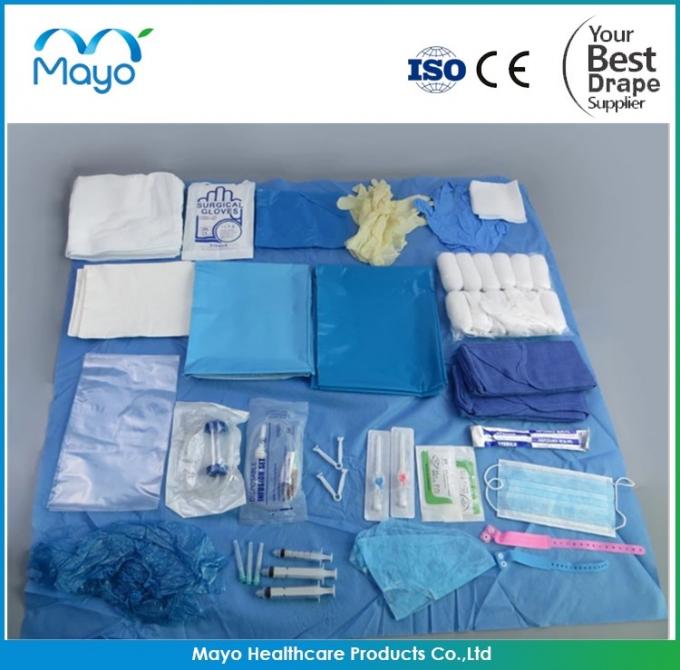
Don’t cut the cord, and leave the placenta alone. There is no danger in leaving the baby attached to the umbilical cord. Once the ambulance staff arrives, they have sterile tools to cut the cord. Don’t pull on the cord to get the placenta out — it’s OK to stay in, and may deliver on its own anyway . Once the head and both shoulders are out, have mom keep pushing until the baby is delivered . Understand the possible risks and how to plan and prepare for the big day.
“Try to keep the baby positioned below the level of the placenta to help facilitate blood flow from the placenta in the direction of the baby,” she says. Then, ask them to either lie down or sit propped up. “If the laboring parent is standing or squatting, the baby is at risk of falling, which could lead to serious injury,” says Woodus. If time permits, cover the bed or birthing area with a shower curtain. Make sure the front door or any other doors are unlocked so that emergency workers can get in upon arrival.
Once the placenta is delivered, any tear or episiotomy cut is repaired. Your health care provider will likely give you oxytocin to help contract the uterus. This drug will be injected into your muscles or delivered intravenously. The uterus is then massaged to further help it contract and to help prevent excessive bleeding.




No comments:
Post a Comment